

A few weeks ago, a long-term client sent me a screenshot that genuinely made my stomach drop.
It wasn’t a Google Search Console alert showing a sudden crash in traffic. It was a simple chat log from ChatGPT. They had typed, “Who are the top commercial fit-out specialists in Sydney?”
The AI spat out a neat, confident list of four providers. Our client owned the top organic rankings for that exact search on Google, yet they were completely missing from the AI’s answer. They called me straight away, asking the exact question we use to hook prospects in our top-of-funnel ad campaigns: Is your brand visible in AI search results?
For nearly twenty years, those of us in the SEO industry have played by a familiar set of rules. We built great pages, earned solid links, and fought tooth and nail for those ten blue spots on page one. Once a searcher clicked, our website did the heavy lifting.
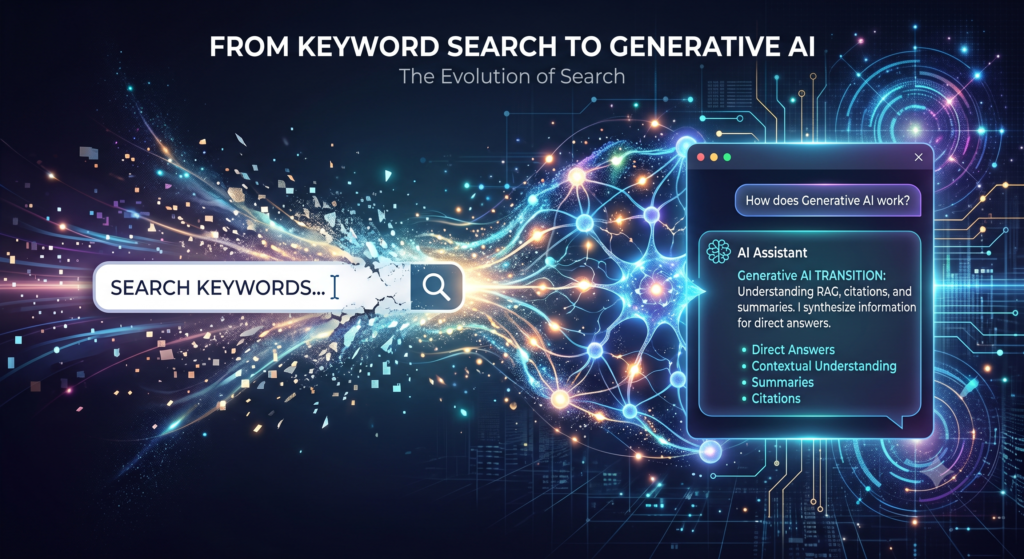
Watching that client chat log made me realise just how fast the ground is moving beneath us. That early top-of-funnel (TOFU) research phase is changing. People are no longer just browsing traditional search engine pages. They are asking large language models (LLMs) like ChatGPT, Gemini, and Perplexity to do the research for them. When potential buyers start looking for answers, they want a quick, clear summary rather than a list of homework links to open.
If your goal at the top of the funnel is getting noticed, your primary KPI is no longer just impression volume. It is LLM Citations. Here is my personal take on how to shift your search strategy so these AI platforms actually recommend your business.
The Big Shift: From Ranking to Being Read
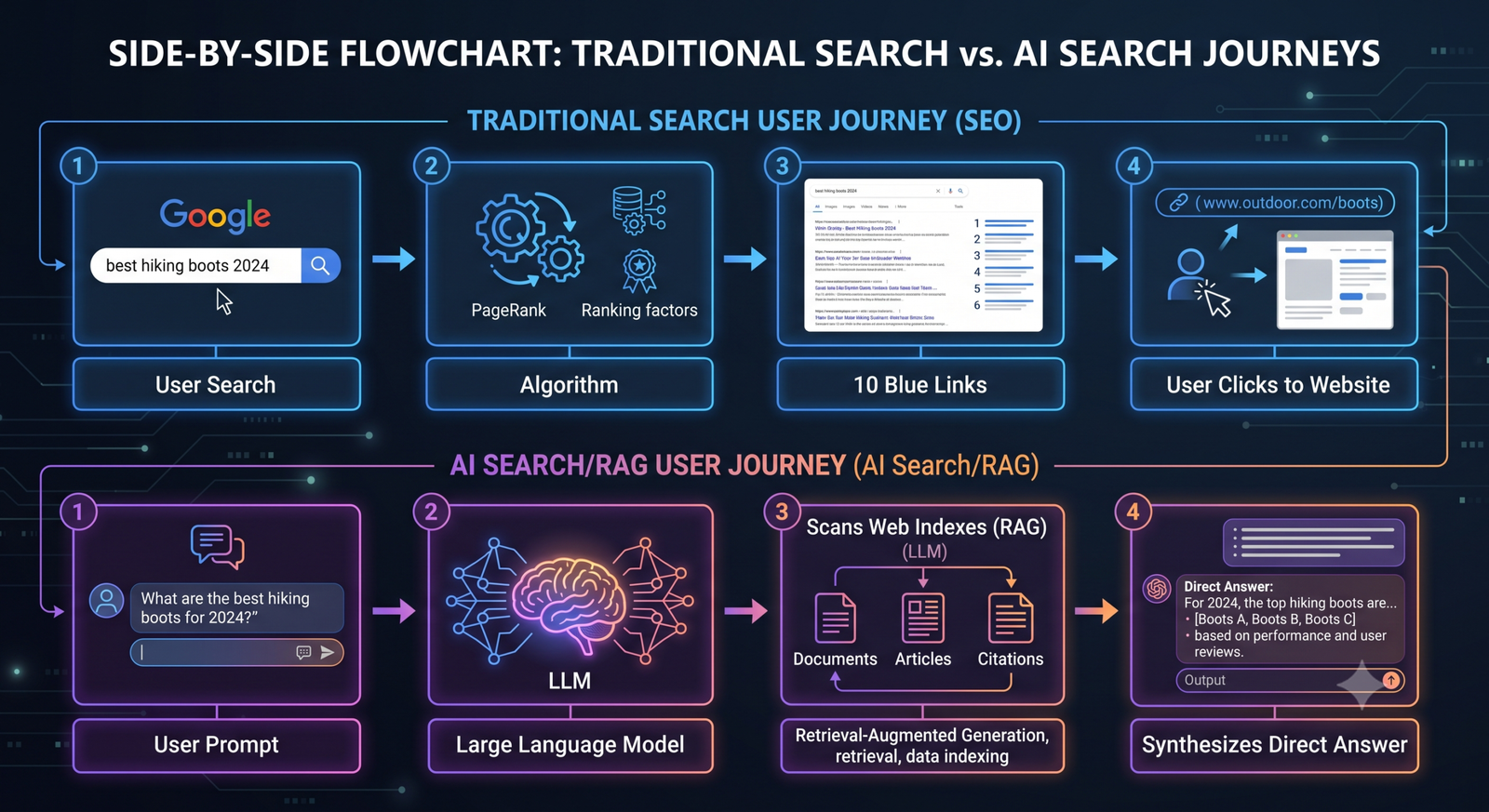
When we optimise for traditional Google search, our main goal is proving to an algorithm that our webpage is the best destination to visit. When we prepare for an AI engine, our job is convincing a complex AI system that our business is a verified fact.
Generative engines rely on a framework called Retrieval-Augmented Generation (RAG). When someone asks a broad question, the AI pulls from its core training data and scans live web indexes to build an answer on the spot. It does not just point a user to ten websites and walk away. It actually reads those pages, weighs up the general consensus across the web, and writes its own response.
If your website relies purely on old-school keyword stuffing, vague corporate buzzwords, and massive blog posts that take five paragraphs to actually answer a simple question, the AI will just skip right over you. It is hungry for clear definitions, dense facts, and established brand authority.
Step 1: Lock Down Your Entity Footprint
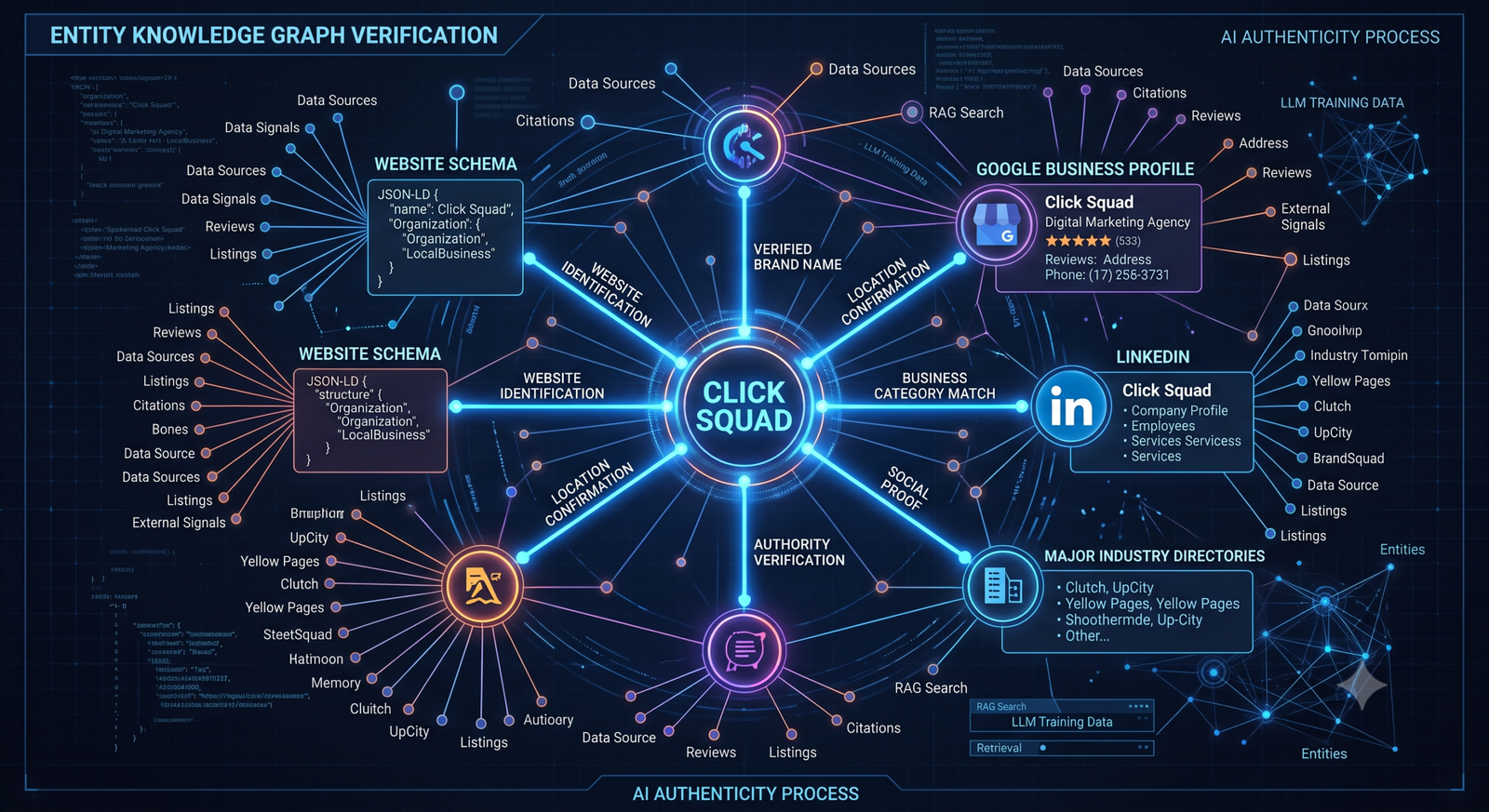
AI models do not view your business as a simple list of target keywords. They view you as an “entity”, which is essentially a distinct point within a massive digital map of human knowledge.
Early on in my SEO career, I used to obsess over keyword density. Today, I spend my time auditing brand ecosystems. Before an AI will confidently suggest your brand to a buyer, it must be completely sure it knows who you are, what you sell, and where you operate.
Start by checking your basic digital footprint. I recently audited a client account where their website listed them as Click Squad Pty Ltd, their LinkedIn profile called them ClickSquad Digital Agency, and an old business directory had them under a totally different phone number. To a human, that is a minor typo. To an AI trying to verify facts, it is a warning flag that creates instant confusion.
Check that your business name, physical address, and core services are written identically everywhere online. Then, back that up with clean, detailed Schema markup on your website, adhering closely to the official Google structured data guidelines. Do not stop at basic organisation tags. Map out your specific services, geographic locations, and corporate relationships directly in the code. Make your digital identity so crystal clear that a machine simply cannot get it wrong.
Step 2: Value Every Brand Mention (Even Without a Link)
For years, getting your brand mentioned in a major publication felt like a hollow victory if the journalist forgot to include a clickable link back to your website. We used to spend hours chasing editors to get those hyperlinks added.
In the world of AI search, unlinked brand mentions are worth their weight in gold.
When an AI generates an answer to a prompt like “What are the most reliable commercial solar brands in Australia?”, it looks for agreement across the wider internet. It reads digital PR articles, trade news, Reddit threads, and specialist forums.
If a dozen reputable websites casually mention that your company delivers high-quality installations, the AI treats that as objective truth. It will recommend you in its answer regardless of whether those twelve articles actually linked to your homepage. Your PR and digital outreach strategies need to focus heavily on getting people talking about your brand in high-trust, editorial spaces.

Step 3: Write for Easy Extraction
You need to make it as effortless as possible for an AI crawler to lift your insights and present them to users.
I still see plenty of corporate blogs using clever, abstract headings that sound poetic to a human but mean nothing to an algorithm. If a potential client asks an AI, “How much does an enterprise SEO audit cost in Australia?”, the engine scans the internet looking for a clear, direct number.
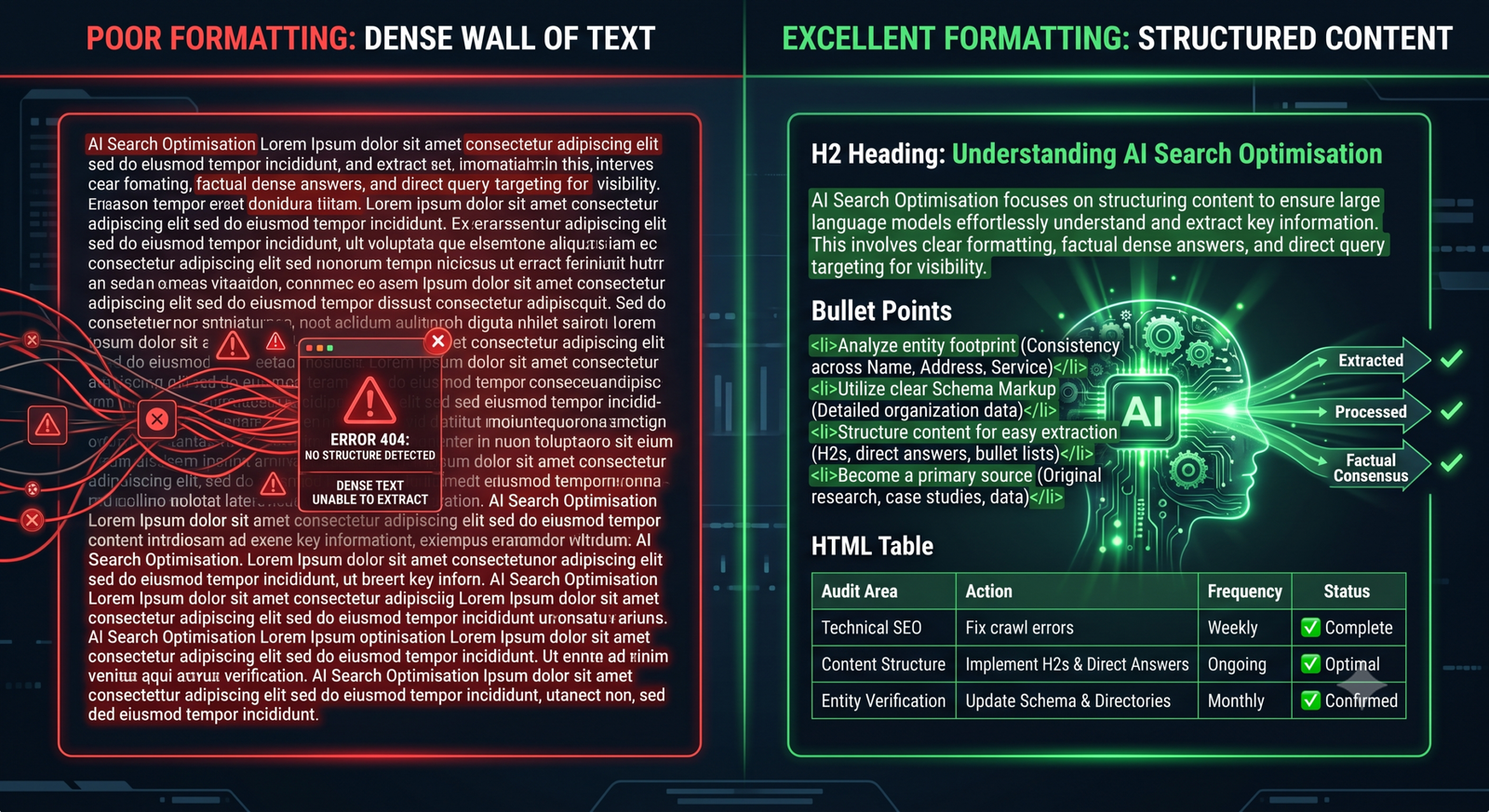
I like to structure informational content logically:
- Use simple, conversational H2 headings that mirror the exact questions your buyers ask.
- Answer those questions directly in the first two sentences right below the heading.
- Use bullet points and clean HTML tables to break down complex numbers and comparisons.
Once you give the algorithm the quick, straightforward answer it needs, you can use the rest of the article to dive into the deeper details for the human reader who clicks through to learn more.
Step 4: Become the Primary Source
Recent academic research on Generative Engine Optimisation highlights that AI engines are currently flooded with generic, recycled content. If your latest blog post just repeats the exact same general advice found across the top five Google rankings, the AI has zero reason to quote your page over anyone else’s.
To earn consistent citations, you have to publish information that an AI cannot create by itself.
Bring your own real-world data into your content. Share the results of internal campaign tests. Break down actual client case studies with real growth percentages and timeframes. Take firm, sensible stances on industry changes based on your own experience. When an AI builds an answer, its systems actively look for original research and primary sources to ground its output. When you publish the raw data and firsthand insights, you become the exact source the platform has to reference.
Becoming the Answer
Adapting your brand for AI search engines can feel a bit daunting right now. Our standard analytics tools do not track AI citations as neatly as traditional organic clicks, and it can feel like we are flying blind at times. But when you step back, the core philosophy of good marketing has not changed at all.
The goal at the top of the funnel has always been building genuine trust as early as possible. Stop publishing fluffed-up content designed purely to trick a crawler into generating a quick click. Focus on building a digital presence so full of real expertise, honest data, and clear authority that when a potential client asks an AI for the best provider in your industry, the platform naturally speaks your name.