


We have all been there. You spend weeks agonising over the perfect SEO strategy for a new product launch. You build the blog posts, you optimise the meta tags, and you finally see that organic traffic starts to tick upward. Then, you open your ad account, and it feels like you are starting from zero again, bidding on the same terms you just worked so hard to rank for.
For years, I have seen marketing teams operate like two ships passing in the night. The SEO team is obsessed with keywords and content depth, while the PPC team is buried in bid adjustments and click-through rates. But in today’s search landscape, this divide is starting to look like a relic of the past.
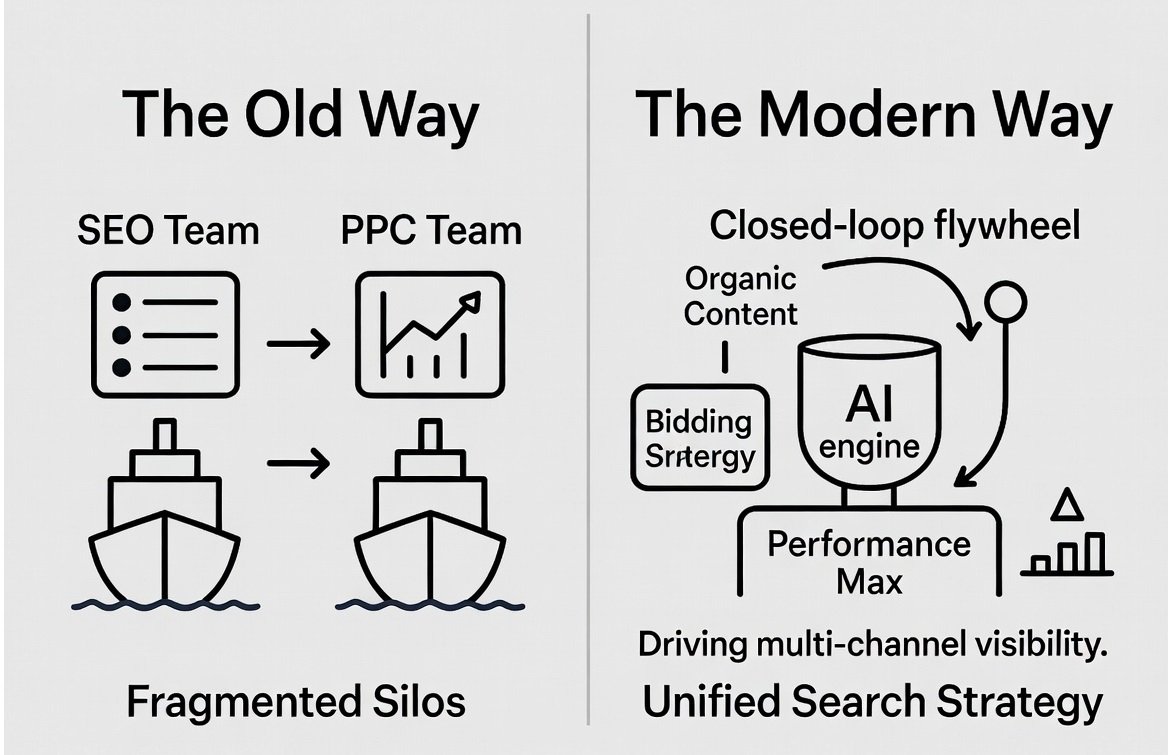
If you want to stay ahead of the next shift in search, you have to stop treating your organic and paid efforts as separate tasks. They are two sides of the same coin.
What is Performance Max?
Performance Max is essentially a goal-based campaign type that allows you to run ads across almost all of Google’s inventory—from YouTube and Gmail to Maps and Search—from one campaign.
Think of it as handing the steering wheel to an AI driver. Instead of you manually tweaking every bid and keyword match type, you provide the destination and the assets, and the AI finds the most efficient route. It doesn’t just show ads; it tries to find the people who are actually ready to engage with your business.
Why Performance Max Needs Your SEO
When I first started testing Performance Max, I made the mistake of thinking it was “set and forget.” I threw in some generic images and a few standard headlines, and the results were mediocre. It wasn’t until I started feeding the system my best-performing organic content that things actually clicked.
The AI is only as good as the information you give it. If your website is a mess, the AI is essentially wandering around in the dark. But if you have high-quality, structured content, that is fuel for the machine. When your SEO is strong, your website is already proving to Google that you have the answers users are looking for. When you feed that same logic into Performance Max, you are effectively telling the algorithm: “This is what authority looks like, go find more of this.”
Finding the Sweet Spot: The Human Touch
Performance Max is an incredible tool for reaching new people, but it needs a human strategy to keep it on track. Here are a few ways I’ve found to bridge the gap:
- Mind the Overlap: There is nothing worse than paying for a click you would have earned for free. Use brand exclusions in your settings. You want your paid ads to bring in new faces, not to poach the loyal customers who are already searching for your brand name at heart.
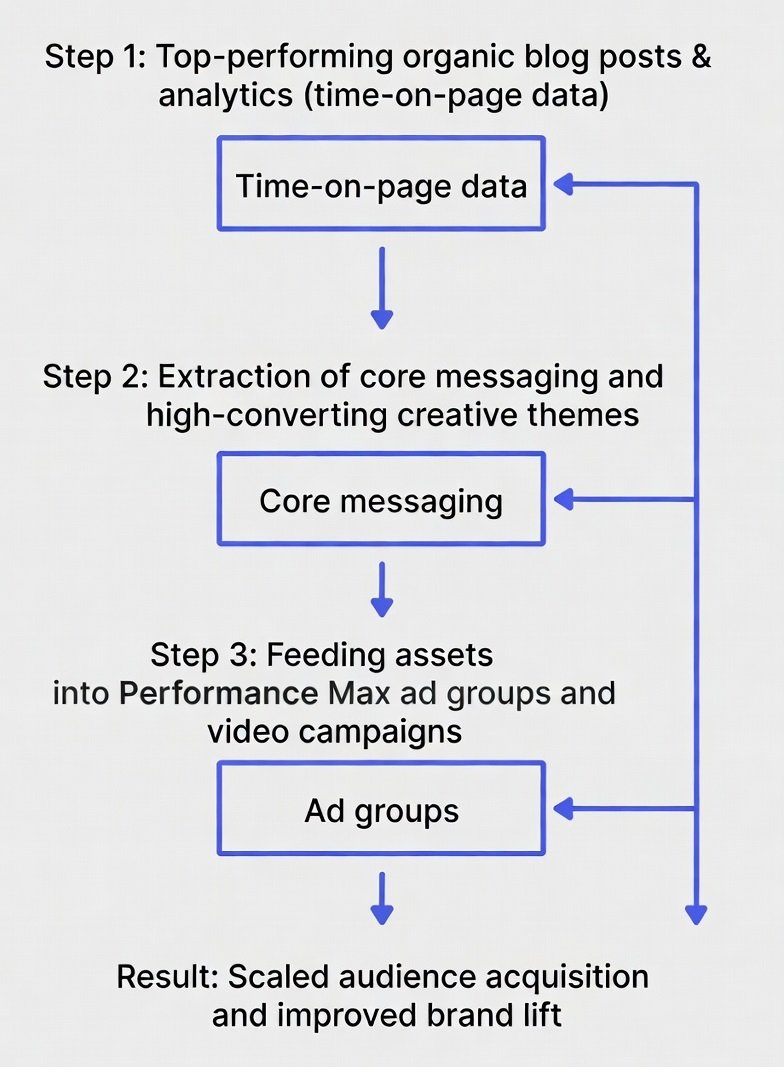
- Borrow Your Organic Wins: I always look at my analytics to see which blog posts are getting the most time-on-page. If a topic is resonating, turn that into a video ad or a display banner. You already know the message works; why reinvent the wheel?
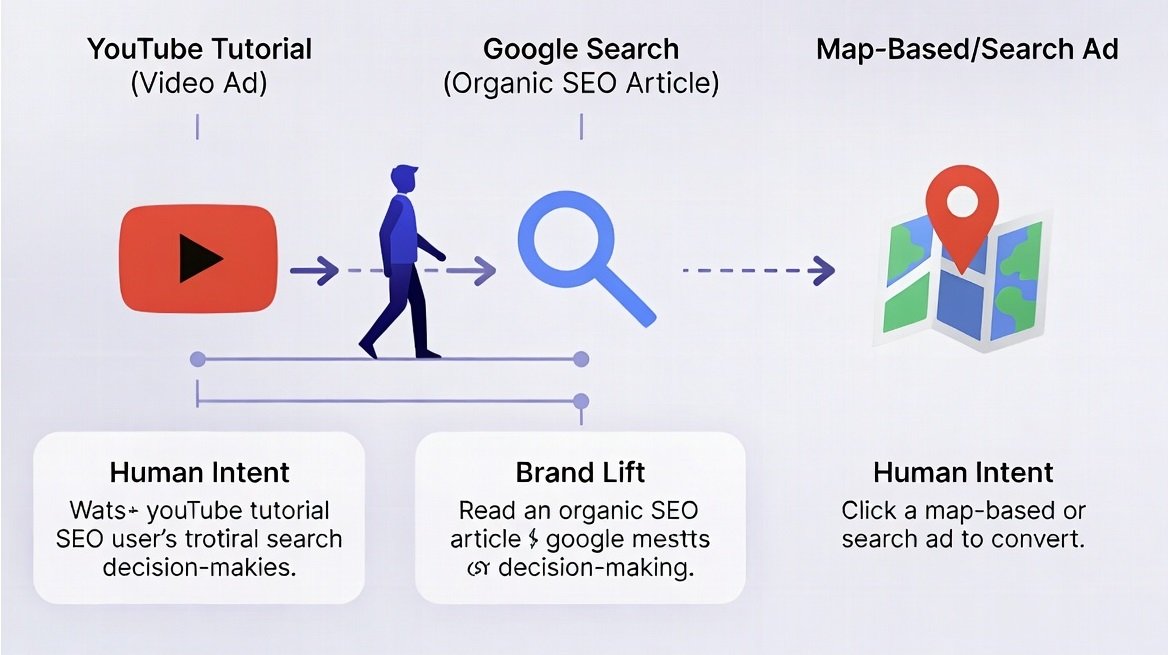
- Focus on the Goal: Your primary KPI should be brand lift. It is easy to get distracted by vanity metrics, but what really matters is whether people recognise you when they are ready to buy. When a potential customer sees your organic article, then catches your video on YouTube, and later clicks a search ad, you have built a genuine connection.
Why This Matters
The future of search isn’t just about clever algorithms or the latest tech update. It is about human intent. We are all searching for solutions in fragmented ways now. One day I am watching a YouTube tutorial for a DIY fix, and the next, I am searching for a product in Google Maps.
By tying your paid and organic channels together, you create a system that is far more resilient. You stop trying to force people into a funnel and start meeting them where they already are.
Don’t wait for the next big disruption to change how you work. Start breaking down those walls between your teams today. When you unify your approach, you are doing more than just buying clicks—you are building a brand that feels present, reliable, and human.
Ready to align your search strategy? At Click Squad, we specialise in senior-led strategies that turn digital complexity into measurable growth. Stop waiting for clicks that do not convert and start building a search engine presence that lasts.